2026 Guide Hair Care Routine for Balayage Keeps Color Fresh
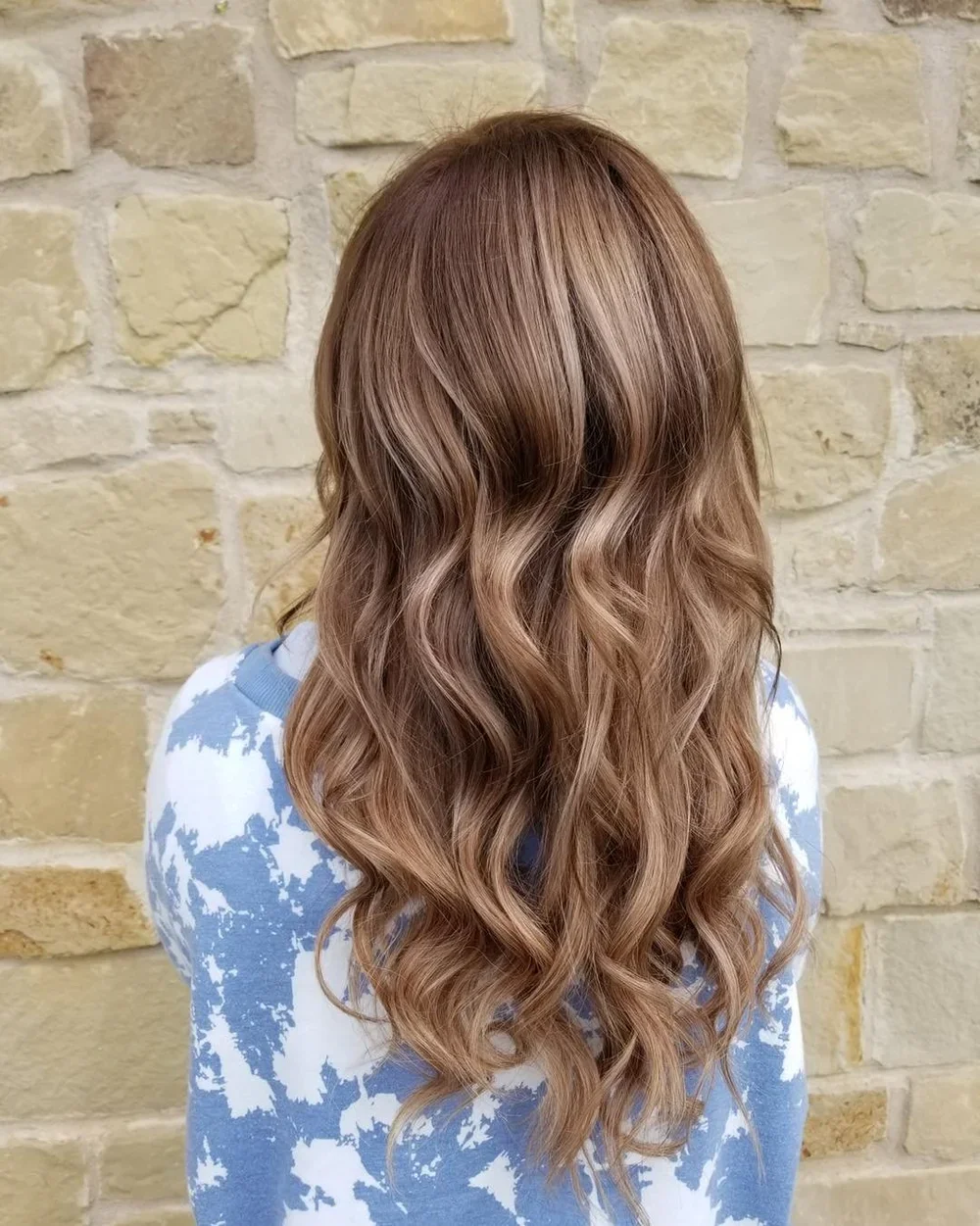
You just sat in someone’s chair for three hours getting the most gorgeous balayage of your life. Now, you’re standing in the shampoo aisle wondering which of these 400 bottles won’t destroy it. I’ve been behind the chair for over 20 years. This is the question I hear more than any other: what is the best hair care routine for balayage?
Table of Contents
A solid hair care routine for balayage isn’t complicated, but it does matter. The difference between color that fades in two weeks and color that still turns heads at your eight-week touch-up? It comes down to the products you use, how you treat your hair day to day, and a few habits that are easy to build once you know what they are.
If I’m coloring a client’s hair in my salon or prepping an actor for camera, the basics of balayage hair care are the same. So let me walk you through exactly what I tell my clients when they leave my chair.
Understanding Balayage and Why It Needs Its Own Routine
Balayage is a French word that means “to sweep,” and that’s exactly what we’re doing.
We’re hand-painting color onto your hair in a freehand technique that creates a natural, sun-kissed, blended result. No foils, no harsh lines, no obvious grow-out. That’s why people love it. It looks effortless.
But here’s what most people don’t realize: the freehand painting technique that makes balayage look so natural is also what makes balayage maintenance a different game than traditional highlights.
Because the color transitions are softer and more gradual, any fading shows up faster. When a balayage treatment starts to dull, you lose that dimension and depth that made it special in the first place.
Balayage-treated hair also tends to need more hydration. We’re lifting your natural color and adding new tones, which means the hair cuticle has been opened up during the process.
That’s not a bad thing. It’s just how color works. But it means your hair is going to be thirstier afterward, especially on the mid-lengths and ends where most of the color lives. So what does that mean for your hair care routine for balayage?
It means you need:
gentle cleansing to maintain color
consistent hydration to keep hair healthy
UV protection to prevent sun damage from wrecking your tones
heat protection during styling so you don’t undo all the work we just did
Balayage hair care is really about respecting what your hair has been through and giving it what it needs to recover and thrive.
Products designed for color treated hair are your best friends here. They’re formulated to maintain the vibrancy of your color and protect the integrity of the hair shaft at the same time. Once you understand these basics, the rest of this routine will make complete sense.
Essential Products for Balayage Hair Care
I’m going to be real with you: the products you use at home matter more than what I do in the salon. I can give you the most beautiful balayage in the world, but if you go home and wash it with a harsh drugstore shampoo, we’re going to have a problem. Also, a purple shampoo is going to be the ace in the hole for keeping your blonde, blodne. Your hair care routine for balayage coloring is what will keep your hair and coloring looking the best possible.
Start with a sulfate-free shampoo. This is non-negotiable. Sulfates are the aggressive detergents in most shampoos that create that big, foamy lather people think means “clean.” What they’re actually doing is stripping your hair of its natural oils and pulling your color out with every wash.
A sulfate-free shampoo cleanses gently while preserving moisture and keeping your color where it belongs. This single switch can dramatically extend the life of your balayage.
Next up: a heat protection spray. If you use any kind of hot tool you need a heat protectant. Period. I don’t care if you’re just blow drying on low.
Heat damages color treated hair faster than almost anything else, and a good heat protection spray creates a barrier between the tool and your strands. Think of it like sunscreen for your hair, except for your straightener.
UV protection for hair is something most people completely overlook, and it drives me a little crazy. You wouldn’t sit outside all day without sunscreen on your skin, right? Your hair needs the same consideration.
UV rays break down color molecules and cause fading and dryness. Look for leave-in treatments with built-in UV filters, especially if you spend a lot of time outdoors. Living in Las Vegas, I can tell you, the desert sun does not play around.
Here are the products I recommend every balayage client keep in their arsenal:
Sulfate-free shampoo: this is your foundation. It prevents color fading and keeps your hair’s natural moisture intact.
Heat protection spray: shields your strands from blow drying and hot tool damage every time you style.
UV protection products: guards against sun exposure and the color-stripping effects of UV rays.
Deep conditioner: moisturizes and strengthens hair that’s been through the coloring process.
Hair mask for balayage: provides intense nourishment and repair for those days your hair needs extra love.
Deep conditioning treatments are essential, not optional. Color processing opens the cuticle, and deep conditioners help close it back down while flooding your hair with moisture. Use one weekly — your hair will thank you.
A specialized balayage hair treatment or hair mask takes things a step further. These products deliver concentrated repair and moisture to damaged strands, rejuvenating shine and enhancing your color’s vibrancy. I tell my clients to think of it as a tune-up for their hair. Apply one regularly, and you’ll notice a real difference in how your balayage looks and feels between appointments.
Your Step-by-Step Hair Care Routine for Balayage
Alright, let’s get into the actual step hair care routine for balayage. I’m breaking this down into exactly what to do and when, because your routine is what makes the difference between “I kind of take care of my hair” and “my balayage still looks amazing two months later.”
The foundation: wash your hair every three to four days. I know that feels like a lot of waiting if you’re used to daily washing, but trust me on this. Every time you shampoo, you’re removing some color along with the oil and buildup.
Spacing out your washes preserves both your color and your hair’s natural oils, which keep it soft and shiny. Use your sulfate-free shampoo, and always wash with lukewarm water. Hot water opens the cuticle and lets color escape.
Every time you shampoo, follow up with a conditioner formulated for color treated hair.
Conditioners are designed to:
Deposit nutrients back into the strand
Smooth down the cuticle
Make detangling easier so you’re not ripping through your hair with a brush
Work it through the mid-lengths and ends where your balayage color is concentrated.
Once a week, swap your regular conditioner for a deep conditioning treatment. This is where you’re really investing in the health of your hair. Apply a generous amount from the mid-lengths to the ends, leave it in for the time recommended on the packaging, and rinse thoroughly. These treatments restore the hydration that coloring takes away and keep your hair resilient and strong.
Also weekly, use a hair mask for balayage. I know, it sounds like a lot of products, but a good hair mask delivers intense moisture and repair that a regular conditioner just can’t match.
Apply it to damp hair, let it sit for 15 to 20 minutes, and rinse. You’ll feel the difference immediately. Your strands will be softer, stronger, and your color will look more vibrant.
Morning Routine
Your morning routine sets the tone for how your hair holds up all day. Start by applying a leave-in conditioner. This maintains moisture, helps with detangling, and creates a base layer of protection against whatever the day throws at your hair.
If you’re styling with heat (and I mean any heat, including blow drying) apply your heat protection spray before you pick up a single tool. Spray it evenly through damp hair and let it absorb for a minute before you start. When you do style, keep the temperature as low as you can get away with. High heat is the enemy of color treated hair, and preventing damage starts with being intentional about your settings.
Style gently. I tell my clients all the time that your hair doesn’t need to be wrestled into submission. Work with it, not against it.
Night Routine
Your night routine is just as important as what you do in the morning, and most people skip it entirely. Don’t be most people.
Before bed, gently detangle your hair with a wide-tooth comb. Start from the ends and work your way up. This prevents breakage and keeps your hair from turning into a tangled disaster overnight.
Apply a hair oil or serum to the ends. This gives your hair extra nourishment while you sleep and helps prevent the dryness that comes from tossing and turning on your pillow.
Speaking of pillows, sleep on a silk or satin pillowcase. Cotton creates friction that roughens the cuticle, causes frizz, and can actually fade your color over time. A silk pillowcase is a small investment that makes a big difference.
Limit your use of heat styling tools as much as possible. I know that’s easier said than done, but every time you run a flat iron or curling wand through your hair, you’re stressing the cuticle and accelerating color fade. When you absolutely need heat, that heat protection spray is your non-negotiable first step.
Schedule regular trims every six to eight weeks. Even the healthiest balayage develops split ends over time, and split ends travel up the shaft if you ignore them. Regular trims keep your ends clean and your hair looking polished.
Balayage maintenance is a commitment, but when you follow these steps consistently, the payoff is real. You’ll walk into your next appointment with color that still looks fresh and hair that’s actually in better condition than when you left.
Protecting Balayage from Heat and Sun Damage
If there’s one section of this post I need you to really internalize, it’s this one. Heat and sun are the two biggest threats to your balayage, and most people underestimate both of them.
Let’s talk about heat first: blow drying, flat ironing, curling. All of these tools work by applying high temperatures to your hair. That heat breaks down the protein structure of your strands and causes color molecules to degrade faster.
A quality heat protectant creates a thermal shield that absorbs and disperses heat before it can do its worst and is a must have for your hair care routine for balayage. Apply it to damp hair, distribute it evenly, and make sure every section is covered before you start styling.
Now, the sun. UV rays are brutal on balayage. They bleach out your carefully placed tones and leave your hair dry, brassy, and flat.
UV protection for hair isn’t some luxury add-on. It is essential, especially if you live somewhere with intense sun exposure. Use leave-in treatments with UV filters as part of your daily routine.
And here’s a tip that costs you nothing: wear a hat. I’m serious. A wide-brimmed hat or even a scarf provides a physical barrier between your hair and UV rays. Combine that with a UV-protective product, and you’ve got a solid defense.
A few more strategies for preventing damage from heat and sun:
Air-dry whenever possible. Skip the blow dryer when you have the time and let your hair dry naturally. Less heat exposure means longer-lasting color.
Use leave-in treatments with UV filters. Apply them daily, not just on beach days.
Limit direct sun exposure during peak hours. If you’re outside between 10 a.m. and 4 p.m., protect your hair the same way you’d protect your skin.
Wear protective hairstyles.
A loose braid or bun minimizes the surface area exposed to UV rays and reduces overall damage.
These precautions aren’t about being paranoid. They’re about being smart with something you’ve invested time and money in. Your balayage will stay more vibrant, and your hair will be healthier in the long run. That’s a win on both counts.
Deep Conditioning and Repairing Damaged Hair
Here’s the thing about balayage: any time you lighten hair, you’re asking it to go through something. The coloring process lifts the cuticle and deposits new pigment, and that process no matter how gently it’s done, leaves your hair needing more moisture and repair than it did before. That’s not a flaw in the technique. It’s just chemistry.
Deep conditioning is how you replenish what the coloring process takes. Choose a hair mask specifically formulated for color treated hair or a balayage hair treatment that focuses on moisture balance and strand repair. Apply it once a week, and don’t rush it. Let it sit, let it penetrate, let it do its job.
I’m also a big fan of incorporating oils like argan oil or coconut oil into your routine. These oils penetrate the hair shaft and address dryness from the inside out. You can use them as a pre-wash treatment. Apply the oil to dry hair about 30 minutes before you shampoo, and it will act as a moisture barrier that protects your hair during the cleansing process.
Pay attention to what your hair is telling you. If you’re noticing more split ends than usual, increased breakage when you brush, or a rough texture that wasn’t there before, those are signs of damage. Don’t ignore them. The sooner you address damage with mindful care and the right repairing products, the easier it is to reverse.
The benefits of consistent deep conditioning speak for themselves:
your hair becomes softer and more manageable,
elasticity improves so you get less breakage and more bounce
your color looks more vibrant because healthy hair reflects light better than damaged hair
That gorgeous shine people compliment you on? That’s hydration doing its thing.
Balayage upkeep is an ongoing process. It’s not something you do once and forget about. Tailor your hair care routine for balayage to what your hair needs right now, not what it needed last month.
With dedicated, mindful care, keeping your balayage looking fresh is absolutely achievable. Healthy, well-moisturized hair holds color longer, looks better, and gives you more time between salon visits. That’s the goal.
Tips for Long-Lasting Color and Healthy Hair
If you take away one thing from this entire post, let it be this: how to maintain balayage comes down to being intentional. It’s not about doing more. It’s about doing the right things.
Start with the basics. Wash with a sulfate-free shampoo. I know I keep saying it, but that’s because it really is the foundation of everything else. If your shampoo is working against your color, nothing else you do will matter as much.
Limit how often you wash. Every wash cycle removes some color, so stretch it out. If your scalp feels oily between washes, reach for a color-safe dry shampoo to absorb excess oil and give yourself that fresh feeling without water.
Water temperature matters more than you think. Use lukewarm water when you rinse your hair. Hot water opens the cuticle and lets color escape. Lukewarm water helps seal everything down and lock in color. It’s a small change that makes a noticeable difference.
Invest in a wide-tooth comb. Wet hair is fragile, and dragging a brush through it causes breakage and stress. A wide-tooth comb detangles gently. Start from the ends and work upward. Your hair will thank you.
A few more practices that go a long way:
Leave-in conditioner: provides added moisture and an extra layer of protection throughout the day.
Microfiber towel: reduces frizz and prevents the friction damage that regular towels cause.
Protect your hair from the environment. Sun, wind, and pollution all take a toll on color treated hair. Use UV protection for hair products daily, and throw on a hat when you’re spending extended time outdoors. These small steps are how to maintain balayage between appointments.
And don’t forget the inside-out approach. Stay hydrated, eat well, and make sure you’re getting the nutrients that support healthy hair growth. Your hair is a reflection of your overall health, and no product can fully compensate for what your body isn’t getting.
Patience and consistency are everything. Your hair care routine for balayage is lower maintenance than a lot of other color techniques, but it’s not zero maintenance. Show up for your hair the way you show up for everything else that matters to you, and you’ll enjoy beautiful, long-lasting color that keeps looking great between visits.
Common Mistakes to Avoid with Balayage Hair
I’ve been doing this for over two decades, and I see the same mistakes over and over. Let’s run through them so you can avoid the pitfalls.
Using products with harsh chemicals is probably the most common one. A lot of people don’t even think to check their labels. If your shampoo or conditioner contains sulfates, alcohol, or other aggressive ingredients, they’re actively working against your color and your hair care routine for balayage.
Every wash with those products strips moisture and dulls the vibrancy you paid good money for. Switch to formulas designed for color treated hair. It makes all the difference.
Overusing heat styling tools is the second biggest offender. I love a good blowout as much as the next person, but hitting your hair with high heat every single day is going to cause color fade and structural damage. If you’re going to use heat, use a heat protectant and keep the temperature reasonable. Better yet, embrace your natural texture on the days you can.
Here are a few more mistakes to watch out for:
Washing with hot water: this opens the cuticle and accelerates color fading. Lukewarm is always the way to go.
Skipping regular trims: split ends make your whole head look rough, no matter how great your color is. Stay on schedule.
Neglecting deep conditioning: without consistent hydration, your hair dries out and your color loses its luster.
Finally, and I say this with love: don’t skip your salon maintenance. I know life gets busy, but when you push off your touch-ups too long, your balayage starts looking uneven, brassy, or washed out.
Regular visits keep your color blended and fresh, and they give your stylist a chance to check in on your hair’s health. Balayage maintenance is about finding the right balance between what you do at home and what your stylist does for you in the chair. When both sides are working together, the results speak for themselves.
When to See a Professional for Balayage Maintenance
Balayage is one of the more forgiving color techniques out there, but that doesn’t mean you can skip professional upkeep. I generally recommend my clients come in every 8 to 12 weeks for a touch-up. That window keeps your color blended and natural-looking without the stress of constant appointments.
A professional stylist sees things you won’t catch in your bathroom mirror. We can spot fading before it becomes obvious, correct brassiness with the right toner, and restore depth to areas that have gone flat. We also have access to professional-grade treatments that go beyond what over-the-counter products can do for balayage upkeep.
Here’s when you should absolutely get into the salon:
Uneven color: if your balayage is starting to look patchy or inconsistent, it’s time for a professional eye.
Fading or brassiness: when warm, brassy tones start creeping in or your color looks flat, a toner or gloss can bring it back to life.
Hair health concerns: if you’re noticing significant dryness, breakage, or texture changes, your stylist can diagnose the issue and recommend targeted treatments.
Beyond the technical stuff, your salon appointment is a chance to talk about your hair goals. Maybe you want to go lighter for summer, or warmer for fall, or try something completely different. A good stylist can guide those decisions and make sure any changes complement what’s already there.
Building a relationship with your stylist is one of the smartest things you can do for your hair. When someone knows your color history, your hair’s tendencies, and your lifestyle, they can tailor every appointment to exactly what you need. That’s the difference between good hair and great hair.
The Bottom Line
Maintaining gorgeous balayage isn’t about following some complicated 25-step routine or buying every product on the shelf. It’s about understanding what your hair needs and being consistent about providing it. The right sulfate-free shampoo, reliable heat protection spray, regular deep conditioning, UV protection, and a thoughtful morning routine and night routine. These are the building blocks of your hair care routine for balayage.
Every step in this hair care routine for balayage serves a purpose: protecting your color, keeping your hair healthy, and extending the time between salon visits. When you take the balayage treatment process seriously from start to finish, you get results that last.
I’ve spent over 20 years watching the difference between clients who follow a consistent routine and those who wing it. The ones who show up for their hair, who practice mindful care and treat their balayage with respect, always have the better results. It’s not luck, it’s dedication.
Your balayage can absolutely keep turning heads for months after you leave the salon. You just have to meet it halfway. Take care of it, protect it, and give it the attention it deserves. You’ve got this.
FAQ
-
Balayage is one of the most low-maintenance color options out there. Most people only need a full touch-up every three to six months. I recommend a gloss or toner every six to eight weeks to keep brassiness in check and your color looking vibrant between appointments.
-
Give your hair at least 48 to 72 hours before that first wash. Your cuticles need time to close and lock the color in, and washing too soon can strip your toner and dull your results before you even get to enjoy them.
-
Balayage is generally easier on your hair than traditional highlights because we're not applying bleach or color directly to your roots. If your hair is already feeling fragile or prone to breakage, balayage is usually the gentler route.
-
Balayage isn't perfect for everyone. The initial appointment runs $150 to $450 or more and you'll be in the chair for a while. Darker hair tones can pull brassy if the formulation isn't right, and it's not the best technique if you're chasing maximum brightness.
It also demands real skill. A bad balayage is hard to fix. That's why finding a colorist who actually specializes in the technique matters more than finding the cheapest option.
-
Balayage outlasts traditional highlights by a long shot. Because we hand-paint the color to create a seamless gradient with no harsh grow-out line, you're looking at touch-ups every three to six months. Traditional highlights? You're back in the chair every six to ten weeks.
-
No. Balayage actually takes longer than traditional highlights. The hand-painting technique is more precise and customized, so you're usually looking at two to four hours depending on your hair length and density. Foil highlights can be done in an hour and a half to three hours, but balayage is a more involved process. The tradeoff is that you won't need to come back nearly as often.